

MVA Physiotherapy: What You Need to Know After a Car Accident
June 08, 2026


Physiotherapy can help people recover from injury, reduce pain, improve mobility, and return to the activities they enjoy. Whether you are dealing with back pain, neck pain, a sports injury, post surgery stiffness, dizziness, arthritis, or a movement problem that is affecting your daily life, the right treatment plan can make recovery clearer and more manageable.
At Accelerate Physiotherapy in Oakville, Ontario, we work with patients who want practical care, clear explanations, and a plan that fits their life. Our physio clinic in Oakville welcomes patients from Oakville, Burlington, Milton, and Mississauga. Some people come to us after a new injury. Others come because pain has been building for months. Some want to return to sport. Others want to walk, drive, work, lift, sleep, or move with more confidence.
Physiotherapy is not only about treating pain. It is about understanding why the problem is happening, what is limiting your movement, and what steps can help you recover safely. The College of Physiotherapists of Ontario explains that physiotherapy helps restore, maintain, and make the most of a person’s mobility, function, and wellbeing through rehabilitation, injury prevention, and health and fitness.
This guide explains how physiotherapy care in Oakville can support recovery and performance, how to choose the right physiotherapist, what to expect during your visits, and why personalized treatment plans often lead to better progress.
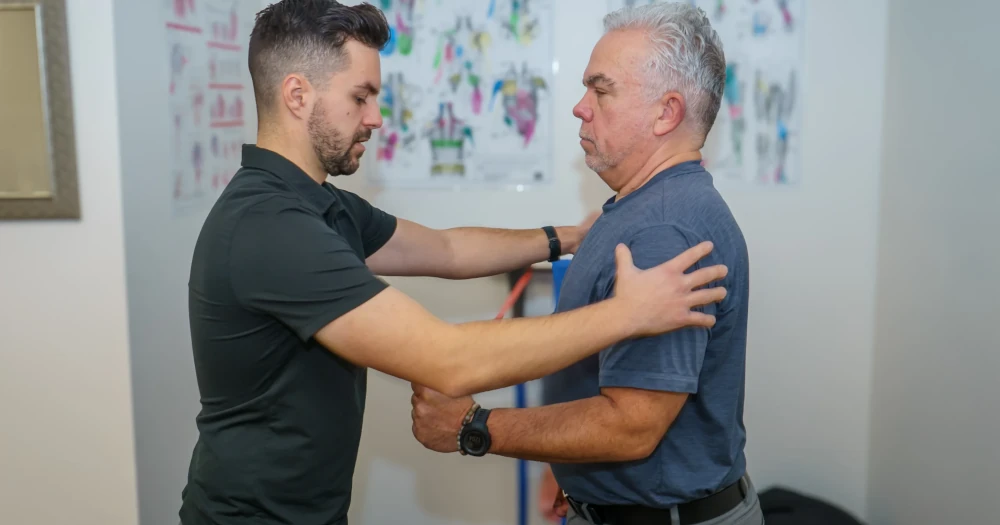
Physiotherapy can help when pain, stiffness, weakness, dizziness, balance issues, or injury make it harder to move well.
Many people wait until pain becomes severe before booking an appointment. Others try to manage symptoms on their own with rest, stretching, pain medication, or online exercises. Sometimes this works for a short time. But when pain keeps coming back, movement feels limited, or daily life becomes harder, a proper physiotherapy assessment can help.
A physiotherapist looks at more than the painful area. They look at how your body moves, how strong you are, what activities trigger symptoms, and what your goals are. This matters because pain in one area can be connected to movement habits, weakness, joint stiffness, balance, posture, previous injuries, or the way your body handles load.
For example, knee pain may be affected by hip strength, ankle mobility, running mechanics, or how you climb stairs. Shoulder pain may be affected by neck mobility, upper back movement, posture, or how you lift. Low back pain may be affected by hip movement, core control, work demands, or long sitting.
At Accelerate Physiotherapy in Oakville, we often see patients from Oakville, Burlington, Milton, and Mississauga who are looking for a clear answer to simple questions:
A good physiotherapy plan should help answer these questions.
People may book physiotherapy for many reasons. Some are recovering from a specific injury. Others are dealing with pain that slowly developed over time.
Common reasons include:
Physiotherapy can also help people who are not currently injured but want to move better, prevent future injuries, or improve performance. This may include runners, golfers, hockey players, pickleball players, gym members, active adults, and people who simply want to stay mobile as they age.
Pain is often the reason people first book physiotherapy. Pain can make simple tasks feel difficult, such as getting out of bed, sitting at a desk, walking around Oakville, driving to Burlington, lifting groceries in Milton, or commuting from Mississauga.
Physiotherapy can help reduce pain by addressing the things that contribute to it.
This may include:
Treatment may include manual therapy, exercise, education, dry needling when appropriate, mobility work, strengthening, balance training, and activity planning.
The right approach depends on the person. Two people can have the same diagnosis but need different treatment plans.
Injuries can happen suddenly or build over time.
A sudden injury may happen during sport, a fall, a car accident, lifting, or a quick awkward movement. An overuse injury may develop from repeated strain, poor recovery, weakness, training changes, or work demands.
Physiotherapy can help guide recovery by matching the treatment to the stage of healing.
In the early stage, care may focus on:
As symptoms improve, care may shift toward:
This step by step approach is important. Doing too much too soon can flare symptoms. Doing too little for too long can lead to stiffness, weakness, and slower progress.
Mobility means how well your body can move through daily tasks.
Good mobility is not only about flexibility. It also includes strength, control, balance, and confidence.
You may need mobility support if you notice:
Physiotherapy can help improve mobility by combining targeted movement, strength, hands on treatment when useful, and home exercises that fit your level.
World Physiotherapy describes physiotherapy as a service that helps people develop, maintain, and restore maximum movement and functional ability when movement and function are affected by injury, pain, disease, ageing, or other factors. Source: World Physiotherapy
In simple terms, physiotherapy is about helping you move better and function better.
Performance does not only apply to competitive athletes.
Performance can mean:
A physiotherapy plan can support performance by identifying limits in strength, movement, balance, endurance, and recovery.
For active patients in Oakville, Burlington, Milton, and Mississauga, this may include sport specific exercises, return to activity planning, and advice on how to build load safely.
Choosing a physio clinic in Oakville can make care easier to follow. When appointments are close to home, work, school, or your regular routine, it is easier to stay consistent.
Consistency matters in physiotherapy. Progress usually comes from a mix of in clinic treatment, home exercises, daily habits, and gradual return to activity.
At Accelerate Physiotherapy, our Oakville clinic offers private treatment rooms, direct billing, free parking, and support for WSIB and MVA patients. The clinic provides services such as manual therapy, dry needling, sports physiotherapy, post operative care, vestibular treatment, and osteoarthritis treatment. Source: Accelerate Physiotherapy
If you live in Oakville, Burlington, Milton, or Mississauga, having a clear plan and a local clinic you can access can make recovery feel more organized.
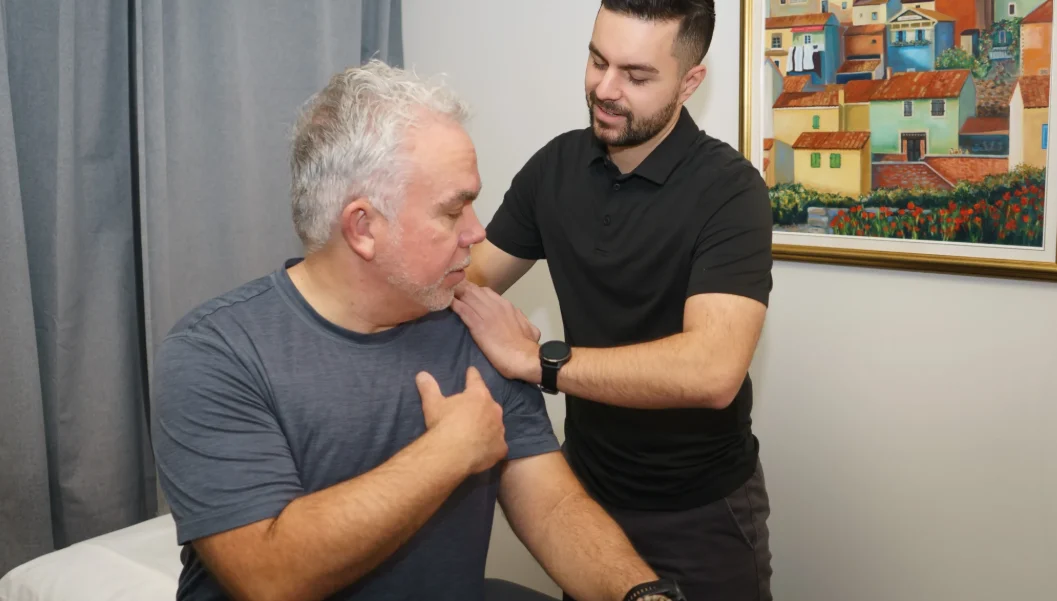
Choosing the right physiotherapist matters. You want someone who listens, explains things clearly, assesses properly, and creates a plan that fits your goals.
A physiotherapy visit should not feel rushed or confusing. You should understand what is happening, why it matters, and what steps come next.
When searching for physiotherapy Oakville care, it can help to look beyond location alone.
Consider these points:
A good physiotherapist should help you feel informed, not overwhelmed.
Your first physiotherapy appointment is usually an assessment. This is where your physiotherapist learns about your condition, your symptoms, and your goals.
You may be asked about:
Then your physiotherapist may assess movement, strength, mobility, posture, balance, walking, or specific joints and muscles.
The College of Physiotherapists of Ontario states that patients can expect physiotherapists to use appropriate assessment techniques, make an informed diagnosis, and apply treatment procedures that are carried out safely and effectively. Source: College of Physiotherapists of Ontario
After the assessment, your physiotherapist should explain what they found in simple language.
You should leave with a clear idea of:
Physiotherapy treatment depends on your condition and goals.
Your sessions may include:
Manual therapy can help with stiffness, pain, and movement. Exercise helps rebuild strength, control, and confidence. Education helps you understand what to do between visits.
The best results often come when these parts work together.
Wear comfortable clothing that allows movement. If you are coming for knee, hip, shoulder, or back pain, it helps if the physiotherapist can see how the area moves.
For example:
You do not need to look like you are going to the gym. You just need to be able to move comfortably.
In many cases, you can book physiotherapy directly without a doctor referral. However, some insurance plans may require a referral for reimbursement. It is a good idea to check your benefits if you plan to submit claims.
If your symptoms suggest that you need medical review, your physiotherapist may recommend that you speak with your doctor or another health professional.
The number of sessions depends on several factors:
Some people need only a few visits. Others need a longer plan, especially after surgery, a car accident, a work injury, or a long term issue.
A good clinic should not keep you guessing. Your physiotherapist should explain the plan and update it as you progress.
A successful session is not only about feeling better for one day. It should help move you toward a bigger goal.
Signs of a good session include:
For patients from Oakville, Burlington, Milton, and Mississauga, physiotherapy should fit real life. Your plan should consider your work schedule, family needs, driving demands, activity goals, and how much time you can realistically spend on exercises.

A personalized physiotherapy plan is built around you. It is not a generic list of exercises.
This matters because recovery is different for every person.
One patient may need help returning to hockey. Another may need to lift a child without pain. Another may need to sit at a desk, recover after surgery, walk without dizziness, or manage arthritis while staying active.
The same injury can also affect people differently. A sprained ankle in a young athlete may need a return to sport plan. The same type of injury in an older adult may need balance training and fall prevention. A shoulder injury in a desk worker may need posture and upper back work. A shoulder injury in a golfer may need rotation, strength, and swing related movement.
At Accelerate Physiotherapy in Oakville, personalized care starts with your assessment.
Your plan may include:
The plan should also change over time.
Early care may focus on pain and movement. Later care may focus on strength, endurance, balance, and performance.
Exercise is one of the most important parts of many physiotherapy plans. It helps tissues adapt, builds strength, improves mobility, and supports long term function.
This does not mean you need to start with hard workouts. Exercises should match your current ability.
For example:
The Government of Canada recommends that adults get at least 150 minutes of moderate to vigorous physical activity per week, along with strength activities.
Your physiotherapist can help you choose safe activity based on your condition.
Physiotherapy does not only happen in the clinic. What you do between visits matters.
A home exercise plan helps your body practice the movements and strength it needs to improve.
A good home plan should be:
If your home plan feels too hard, too long, or confusing, tell your physiotherapist. The plan can be adjusted.
It is better to do a simple plan consistently than a complicated plan once.
Setbacks can happen during recovery. Pain may flare after a busy day, a long drive, a workout, yard work, or too much sitting.
A personalized plan helps you understand how to respond.
Instead of stopping everything, your physiotherapist may help you adjust:
This helps you keep moving without ignoring symptoms.
Work can place different demands on the body.
Some people sit for long periods. Others stand, drive, lift, carry, bend, or repeat the same movements all day.
Physiotherapy can help by identifying what your work requires and preparing your body for it.
Your plan may include:
For someone commuting from Burlington or Mississauga, driving comfort may also be part of the plan. For someone working in Oakville or Milton, the focus may be standing, lifting, or desk setup.
Returning to sport too soon can lead to flare ups or reinjury. Waiting too long can create stiffness, weakness, and loss of confidence.
A physiotherapy plan can help you return step by step.
This may include:
For local active adults in Oakville, this may mean returning to golf, pickleball, running, hockey, cycling, gym training, or walking trails. Patients from Burlington, Milton, and Mississauga often have similar goals. The goal is to return safely and with confidence.
Once pain improves, it is tempting to stop all exercises. But long term performance often needs maintenance.
Your physiotherapist may help you build a plan for:
This can help you stay active beyond the first stage of recovery.
At Accelerate Physiotherapy, our focus is personalized care. Our Oakville clinic is designed to support people who want one on one attention, clear communication, and practical treatment.
We help patients with injury recovery, pain management, post surgery rehabilitation, sports injuries, vestibular issues, osteoarthritis, MVA related injuries, WSIB claims, and general mobility concerns.
Our physio clinic is located in Oakville, Ontario at 465 Morden Road, Suite 110. We welcome patients from Oakville, Burlington, Milton, and Mississauga.
If you are looking for physiotherapy Oakville care or a physio clinic in Oakville that can help you understand your symptoms and build a recovery plan, we are here to help.
You can reach us through our Contact us page.
To schedule your assessment, Book An Appointment.
Physiotherapy can help with many conditions, including back pain, neck pain, shoulder pain, hip pain, knee pain, sports injuries, post surgery recovery, arthritis, dizziness, balance problems, work injuries, motor vehicle accident injuries, and general mobility concerns. A physiotherapist can assess your condition and create a plan based on your needs.
You may benefit from physiotherapy if pain, stiffness, weakness, dizziness, or reduced mobility affects your daily life. You should also consider booking an assessment if symptoms keep returning, you are avoiding activity, you are recovering from an injury, or you are not sure what exercises are safe.
Your first appointment usually includes a conversation about your symptoms, a physical assessment, movement testing, and a discussion about your goals. Your physiotherapist should explain what they find and provide a treatment plan. This may include hands on care, exercise, education, and home activities.
In many cases, you can book directly with a physiotherapist. However, some insurance plans may require a doctor referral for reimbursement. If you are unsure, check your benefits provider before your appointment.
Yes. Accelerate Physiotherapy is a physio clinic in Oakville, Ontario, and welcomes patients from Oakville, Burlington, Milton, and Mississauga. If you are looking for physiotherapy Oakville care and live nearby, you can contact the clinic or book online.