
Physiotherapy in Oakville: Your Complete Guide to Recovery and Performance
July 06, 2026


Athletes in Oakville, Milton and Burlington stay active throughout the year. From summer running and cycling to winter hockey and skiing, every season brings new physical demands. While staying active is important for health, seasonal transitions often increase the risk of injury.
Many seasonal sports injuries occur when athletes change activities too quickly or increase training intensity without preparation. Cold weather, uneven terrain, and different movement patterns can all place new stress on the body.
At Accelerate Physiotherapy, our physio clinic in Oakville, Ontario, regularly helps athletes prevent injuries and recover safely. We also welcome patients from Burlington, Milton and Mississauga who want expert guidance to stay active year-round.
This guide explains how seasonal injuries happen and shares practical injury prevention tips you can use in every season.

Seasonal transitions are one of the most common causes of seasonal sports injuries.
In Ontario, athletes often move quickly from one activity to another. Someone who spent winter playing indoor sports may suddenly begin outdoor running or cycling in spring. This rapid shift in movement patterns increases injury risk.
According to the Canadian Institute for Health Information, sports injuries account for a significant number of emergency visits each year in Canada. You can review injury statistics here.
Different sports create different stresses on the body.
Spring and summer injuries often include:
• Running-related knee pain
• Ankle sprains
• Hamstring strains
• Achilles tendon irritation
Fall injuries frequently involve:
• Shoulder strain
• Knee ligament injuries
• Hip tightness
Winter activities can lead to:
• Wrist fractures from falls
• Groin strains
• Lower back pain
• Knee injuries from skiing or hockey
Many of these injuries occur because the body has not adapted yet.
A common mistake is increasing activity too quickly.
Examples include:
• Starting a running program after months of inactivity
• Jumping into competitive sports without conditioning
• Returning to gym training at full intensity
These situations overload muscles and joints.
Ontario weather adds additional challenges.
During winter, icy sidewalks and trails increase fall risk. In summer, heat and dehydration can affect muscle performance.
Athletes in Halton who train outdoors need to adjust their routines based on temperature and surface conditions.

One of the most effective injury prevention tips is improving your warm-up routine.
A proper warm-up prepares muscles, joints, and the nervous system for activity.
Research from the American College of Sports Medicine shows that structured warm up -routines can reduce injury risk in many sports.
Your warm-up should include three stages.
• Light cardio
• Dynamic movement
• Sport-specific drills
Start with five minutes of low-intensity movement.
Examples include:
• Brisk walking
• Light jogging
• Cycling
• Skipping rope
This increases blood flow and prepares muscles for activity.
Dynamic exercises improve joint movement and coordination.
Examples:
• Leg swings
• Arm circles
• Lunges
• Hip rotations
These movements activate key muscle groups.
This stage prepares the body for the exact activity.
Examples:
For runners
• Gradual pace increases
For hockey players
• Skating drills
For tennis players
• Light rallies
In colder months, muscles require longer warm-ups.
Athletes in Halton Ontario who train outdoors should spend extra time warming up before winter activities.
In summer, hydration and pacing become more important.
A helpful rule for many athletes is the ten percent rule.
Increase weekly training volume by no more than ten percent.
This allows the body to adapt gradually.
Many athletes seek physiotherapy only after an injury occurs.
However, physiotherapy also plays a major role in injury prevention.
At Accelerate Physiotherapy in Oakville, Ontario, we regularly help athletes improve movement patterns before injuries happen.
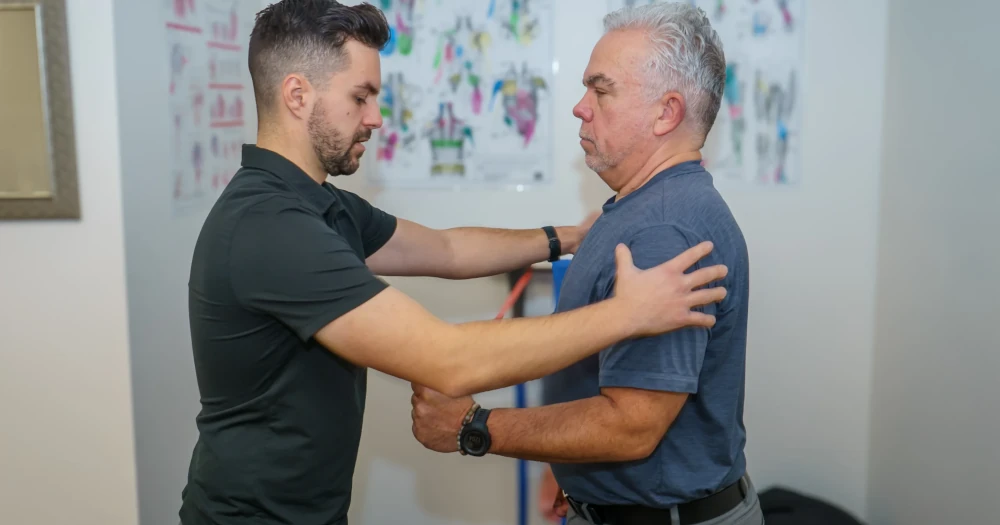
A physiotherapy evaluation may include:
• Posture assessment
• Joint mobility testing
• Strength analysis
• Balance evaluation
This helps identify weaknesses or movement patterns that increase injury risk.
Many injuries occur due to muscle imbalance.
For example:
• Weak glutes can lead to knee pain
• Poor ankle stability can lead to sprains
• Weak core muscles can cause back pain
Targeted strengthening exercises help address these issues.
Each sport requires different movement patterns.
Physiotherapists may design programs for:
• Runners
• Cyclists
• Soccer players
• Hockey players
• Recreational athletes
These programs improve performance while reducing injury risk.
Small adjustments in technique can make a big difference.
Examples include:
• Running stride adjustments
• Posture improvements
• Lifting technique correction
Many athletes from Halton, ON benefit from these changes.
Minor discomfort often signals the beginning of an injury.
Addressing symptoms early can prevent more serious issues.
If you notice recurring pain during activity, you can Contact us for guidance.
You can also Book An Appointment for a full sports injury prevention assessment.

Training is only part of injury prevention. Recovery is equally important.
Athletes who train hard without adequate recovery increase the risk of seasonal sports injuries.
Healthy recovery includes:
• Sleep
• Hydration
• Mobility exercises
• Nutrition
• Rest days
Sleep supports muscle repair and hormone regulation.
The National Sleep Foundation recommends seven to nine hours of sleep for most adults.
Active recovery helps reduce stiffness.
Examples include:
• Light cycling
• Walking
• Gentle stretching
These activities promote circulation without overloading the body.
Mobility exercises improve joint health.
Common areas athletes should focus on include:
• Hips
• Ankles
• Shoulders
• Thoracic spine
Foam rolling can reduce muscle tension and improve flexibility.
Athletes who incorporate this into their routine often experience better recovery.
Athletes should watch for warning signs.
These include:
• Persistent fatigue
• Declining performance
• Recurring soreness
• Poor sleep
When these symptoms appear, rest and adjustment are necessary.
Your fitness routine should change throughout the year.
Seasonal reassessment helps prevent injuries and maintain performance.
Athletes should review their program:
• Before starting a new sports season
• After recovering from injury
• When increasing training volume
• When experiencing recurring pain
Seasonal evaluations help identify:
• Muscle imbalances
• Mobility limitations
• Training errors
• Equipment issues
Addressing these factors early can prevent injury.
Athletes often participate in multiple sports throughout the year.
Examples include:
• Hockey in winter
• Running in spring
• Cycling in summer
• Indoor sports in fall
Each transition requires gradual adaptation.
If you are unsure how to adjust your training routine, a physiotherapy assessment can help.
At our physio clinic in Oakville, Ontario, we help athletes plan safer training programs.
You can Contact us or Book An Appointment to learn how to reduce injury risk and stay active year-round.
Common injuries include ankle sprains, knee pain, muscle strains, and tendon irritation. Many occur when athletes change activities too quickly.
Effective injury prevention tips include proper warm-ups, gradual training progression, strength training, and adequate recovery.
Yes. Preventive assessments can identify risk factors and help athletes improve movement patterns before injuries occur.
Many athletes benefit from reviewing their routine at the start of each sports season.
If pain persists for more than a few days or affects performance, it is helpful to seek professional evaluation.