Physiotherapy in Oakville: Your Complete Guide to Recovery and Performance
July 06, 2026


Article Summary
Recreational sports such as pickleball, golf, and curling are more popular than ever across Ontario. In communities like Oakville and Burlington, adults of all ages are staying active through league play, social games, and seasonal competitions. While these sports offer important physical and mental health benefits, they are also leading to a steady increase in musculoskeletal injuries.
Unlike contact sports, most injuries in pickleball, golf, and curling develop gradually. Repetitive movement, limited recovery, poor mechanics, and underlying weakness often lead to shoulder pain, low back pain, knee discomfort, and tendon irritation. Many people ignore early warning signs, assuming soreness is normal, until pain begins to limit performance or daily life.
This article explains why recreational sports are causing more injuries, identifies the most common injuries seen in pickleball, golf, and curling, and outlines how physiotherapy supports safe recovery and long-term injury prevention. You will also learn practical strategies to reduce repetitive strain and understand when a professional assessment is needed.
This guide is written from the perspective of Accelerate Physio Clinic in Oakville to help active adults in Oakville and Burlington stay healthy, mobile, and confident in their sport.
Index
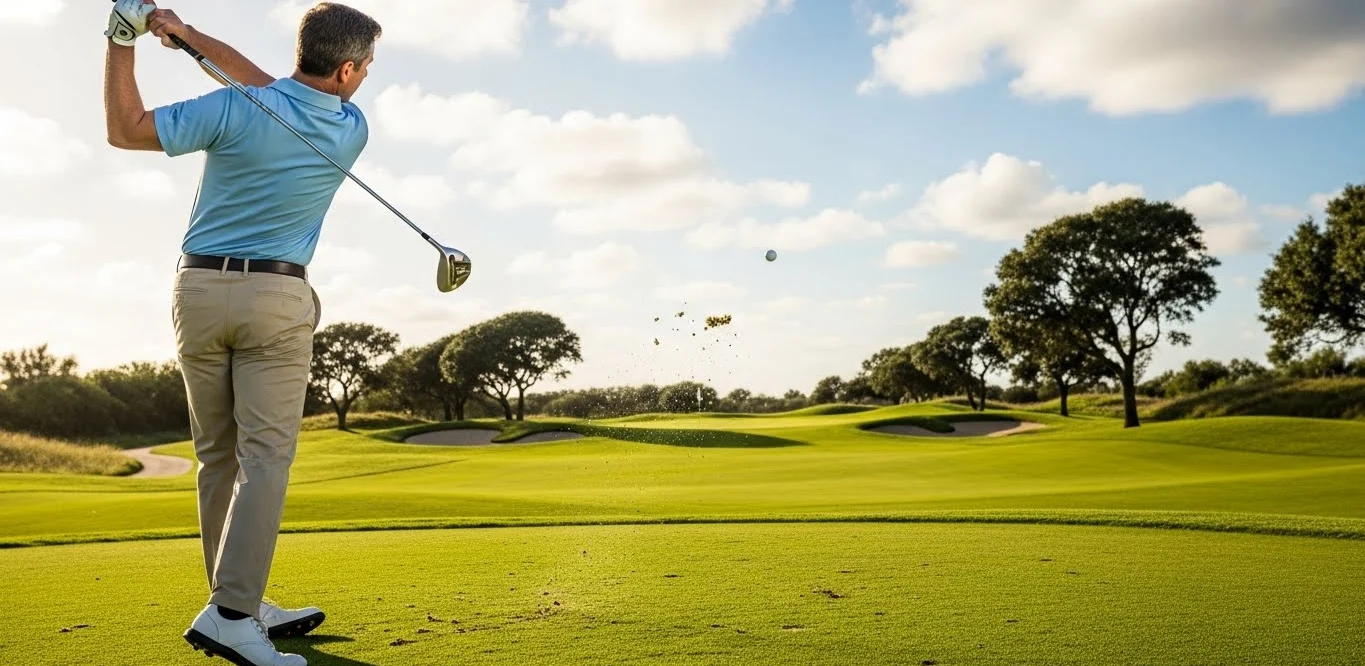
Recreational sports participation has grown significantly across Ontario over the past decade. Pickleball courts are expanding rapidly, golf courses remain busy throughout the warmer months, and curling clubs in Oakville and Burlington continue to attract new members each season. These sports are accessible, social, and often perceived as low risk, which encourages frequent participation.
However, injury rates related to recreational sports are rising. One key reason is frequency without preparation. Many recreational athletes play multiple times per week but do not engage in structured warm-ups, strength training, or mobility work. The sport itself becomes their only form of conditioning, which is rarely enough to support joint and tissue health.
Another major factor is repetitive stress. Pickleball involves repeated reaching, lunging, and quick changes of direction. Golf requires hundreds of rotational swings per round, placing high torque on the spine and hips. Curling demands deep knee flexion, sustained balance, and repetitive sweeping motions. Over time, these repeated movements overload muscles, tendons, and joints.
Age also plays an important role. As adults age, muscle elasticity decreases, joint cartilage becomes less resilient, and recovery time increases. Research shows that overuse injuries are more common in recreational athletes over 40, especially when activity levels increase without proper conditioning.
Lifestyle factors further contribute. Many adults in Oakville and Burlington work desk-based jobs, spending long hours sitting. Prolonged sitting weakens the core and hip muscles that support posture and movement. When these muscles are weak, stress shifts to the lower back, shoulders, and knees during sport.
Seasonal activity changes in Ontario also increase injury risk. Physical activity often drops during winter, followed by a rapid increase in spring and summer. This sudden workload spike stresses tissues that are not prepared to handle it.
Common contributors to rising recreational sports injuries include
These factors explain why pickleball, golf, and curling injuries are increasingly common reasons people seek physiotherapy.
Recreational sports injuries rarely come from one dramatic moment. In pickleball, golf, and curling, most injuries develop slowly due to repeated movement, uneven loading, and poor recovery. These injuries often start as mild soreness and gradually become more limiting if not addressed early.
Because many players in Oakville and Burlington participate weekly or multiple times per week, the body does not always have enough time to recover between sessions. When combined with age-related changes in flexibility and strength, this creates the perfect conditions for overuse injuries.
Below is a detailed breakdown of the most common injuries seen in each sport and why they occur.
Pickleball is often described as low-impact, but it places high demands on the body. The sport involves quick starts and stops, repeated reaching, lateral movement, and constant gripping of the paddle. Hard court surfaces also increase joint stress, especially in the lower body.
Common pickleball injuries include:
Shoulder pain is one of the most frequent complaints in pickleball. Repeated overhead shots and quick reaction swings place stress on the rotator cuff and shoulder joint. Limited shoulder mobility or weak stabilizing muscles increase the risk of irritation, tendinitis, and impingement.
Tennis elbow is common due to repetitive gripping and wrist extension. Improper paddle grip size, poor swing mechanics, and playing for long periods without rest all contribute to tendon overload in the forearm.
Fast-paced rallies require quick wrist movements. Over time, this can lead to tendon irritation, reduced grip strength, and wrist pain, especially in players who play several times per week.
Sudden changes of direction, lunging, and quick stops place stress on the knees. Players may experience patellar tendon pain, meniscus irritation, or general knee stiffness, particularly if hip and/or ankle mobility is limited.
Quick acceleration and backward stepping place strain on the Achilles tendon and calf muscles. Tight calves or reduced ankle mobility increase the risk of injury.
Repeated bending, twisting, and reaching can overload the lower back, especially in players with weak core muscles or limited hip rotation.
Pickleball injuries are increasing because many players transition into the sport without conditioning and underestimate the cumulative stress placed on the body.
Golf is a rotational sport that produces significant force through the spine, hips, and shoulders. A single golf swing can generate high torque, and this motion is repeated hundreds of times over a round or practice session.
Common golf injuries include:
Low back pain is the most common golf-related injury. Repeated trunk rotation, combined with limited hip mobility and poor core control, places excessive stress on the lumbar spine. Long rounds and walking on uneven terrain further contribute to fatigue and discomfort.
Golf requires strong and mobile hips to transfer force efficiently. Limited hip rotation or weakness can lead to labral irritation, hip flexor strain, or groin pain. Hip dysfunction often shifts stress to the lower back.
Shoulder pain can develop from repetitive swinging, especially in golfers with restricted thoracic spine mobility. Over time, this may lead to impingement, rotator cuff strain, or general stiffness.
Golfer’s elbow and tennis elbow are common due to repetitive gripping and wrist motion. Poor swing mechanics and excessive practice volume increase tendon strain.
Impact forces during the swing, particularly when hitting the ground or practicing extensively, can irritate wrist tendons and joints.
Golf injuries in Ontario are often linked to high playing volume combined with limited off-course strength and mobility training.
Curling places unique demands on the body. The delivery position requires deep knee bending, hip flexibility, and trunk stability, while sweeping involves repetitive upper body motion and sustained effort.
Common curling injuries include:
The deep lunge position places repeated load on the knees. Players may develop patellar tendon pain, cartilage irritation, or general knee stiffness, particularly if strength and mobility are lacking.
Hip flexors and groin muscles work hard to stabilize the body during delivery. Limited flexibility or muscle imbalance can lead to strain or ongoing tightness.
Prolonged forward posture during sweeping and delivery increases stress on the lower back. Weak core muscles and limited hip mobility further contribute to discomfort.
Sweeping requires repeated shoulder and upper back motion under load. Over time, this can cause muscle fatigue, strain, or shoulder irritation.
Ice surfaces increase the risk of slips and falls, particularly when fatigue sets in or balance control is reduced.
Curling injury recovery often focuses on restoring knee and hip mobility, improving balance, and strengthening the core and upper body to support a safe return to play.
Across pickleball, golf, and curling, injuries tend to persist because players often:
Without intervention, small problems can evolve into chronic pain that limits both sport participation and daily activities.
This is where physiotherapy plays a critical role, helping recreational athletes in Oakville and Burlington recover fully and return to their sport stronger and more resilient.
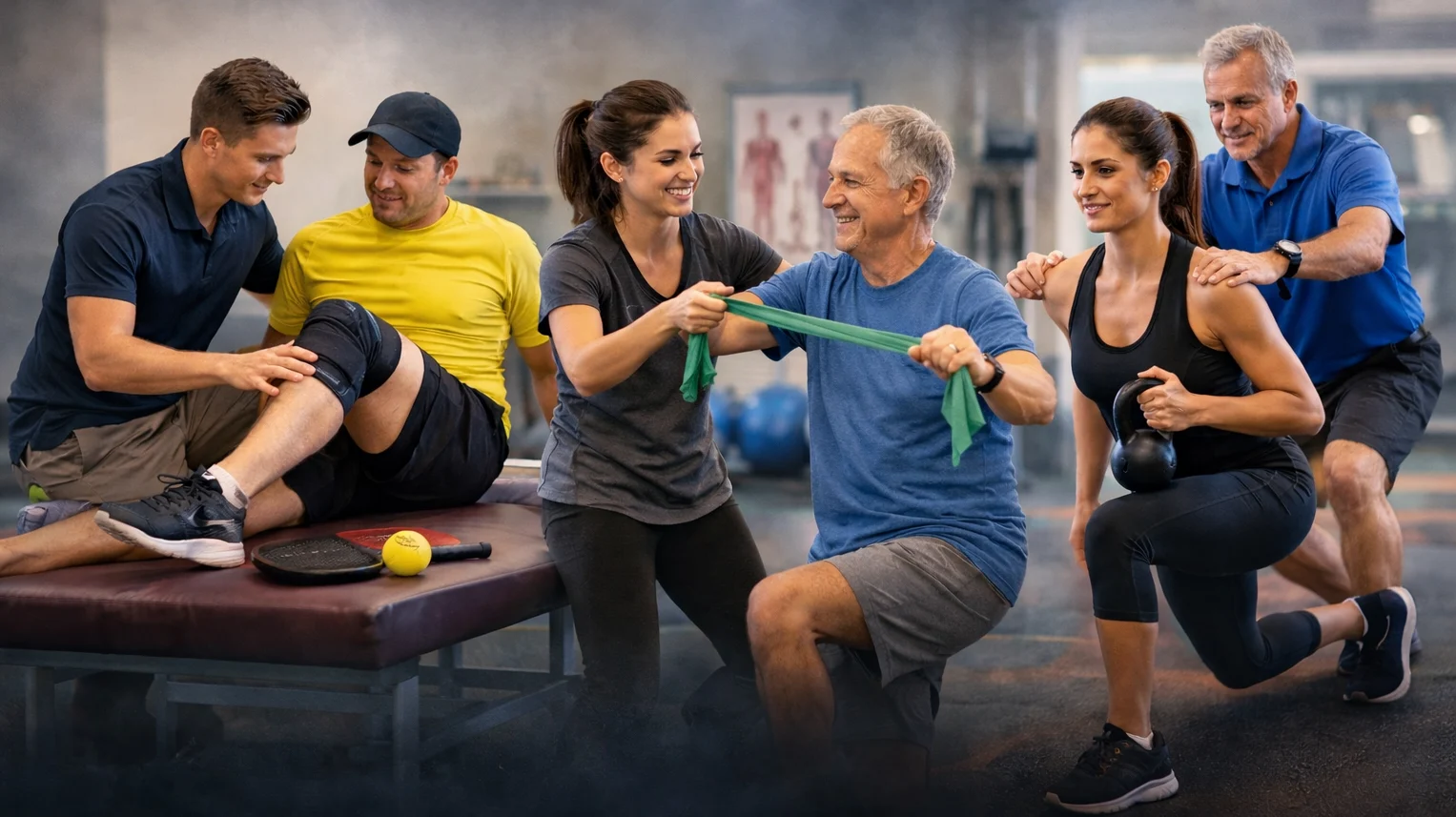
Physiotherapy is one of the most effective ways to recover from sports-related injuries and ongoing soreness caused by pickleball, golf, and curling. Rather than simply treating pain, physiotherapy focuses on understanding why the injury happened and addressing the underlying factors that contributed to it.
At Accelerate Physio, our goal is not only to help you feel better, but to help you move better, perform better, and reduce the risk of the same injury returning. This approach is especially important for recreational athletes in Oakville and Burlington who want to stay active long term.
Many people respond to injury by resting completely or avoiding activity. While short periods of rest may reduce symptoms, rest alone rarely solves the root problem. In fact, prolonged inactivity often leads to:
Research consistently shows that active rehabilitation leads to better outcomes than rest alone for musculoskeletal injuries.
Physiotherapy uses controlled movement and progressive loading to help tissues heal properly while maintaining overall function.
Physiotherapy helps recovery by targeting several key areas at once:
Poor movement mechanics place unnecessary stress on joints and soft tissues. Physiotherapists assess how you bend, rotate, reach, and load your body during both sport and daily activities. Small movement corrections can dramatically reduce strain.
Recreational athletes often overuse certain muscles while underusing others. For example, weak hips can overload the lower back, and limited shoulder stability can strain the elbow or wrist. Physiotherapy restores balance between muscle groups.
Restricted movement in the hips, spine, shoulders, or ankles forces other areas to compensate. Physiotherapy improves joint mobility so forces are distributed more evenly through the body.
Strong stabilizing muscles protect joints during repetitive movements. Physiotherapy focuses on building strength in the core, hips, shoulders, and lower limbs to support sport-specific demands.
Physiotherapists help regulate how much activity your body can handle and guide a safe return to play. This prevents flare-ups and setbacks.
A structured physiotherapy program typically includes a combination of hands-on care and active rehabilitation.
Manual therapy may be used to reduce stiffness, improve joint motion, and decrease muscle tension. This can help restore movement and prepare the body for exercise.
Strength training is gradually introduced and progressed based on your tolerance. Exercises are chosen to support the specific demands of pickleball, golf, or curling.
Targeted mobility work improves range of motion and reduces compensation patterns that lead to injury.
Especially important for pickleball and curling, balance training improves joint control and reduces fall and ankle injury risk.
Understanding your injury empowers you to manage symptoms, recognize early warning signs, and make informed decisions about activity levels.
Physiotherapy is most effective when it reflects the demands of the sport.
Pickleball rehab often focuses on:
This approach helps reduce shoulder, elbow, and knee pain while improving reaction time and movement efficiency.
Golf physiotherapy emphasizes:
Improving these areas reduces low back stress and improves swing mechanics, allowing golfers in Oakville and Burlington to play more comfortably and consistently.
Curling injury recovery often prioritizes:
This helps curlers return to play with better balance, reduced pain, and improved endurance on the ice.
Physiotherapy speeds recovery by:
Evidence shows that structured rehabilitation reduces reinjury risk and improves long-term outcomes.
For recreational athletes, this means less downtime, fewer flare-ups, and more confidence returning to sport.
Physiotherapy does more than resolve the current injury. It helps you:
For active adults in Oakville and Burlington, physiotherapy supports not just recovery, but longevity in sport and daily life.
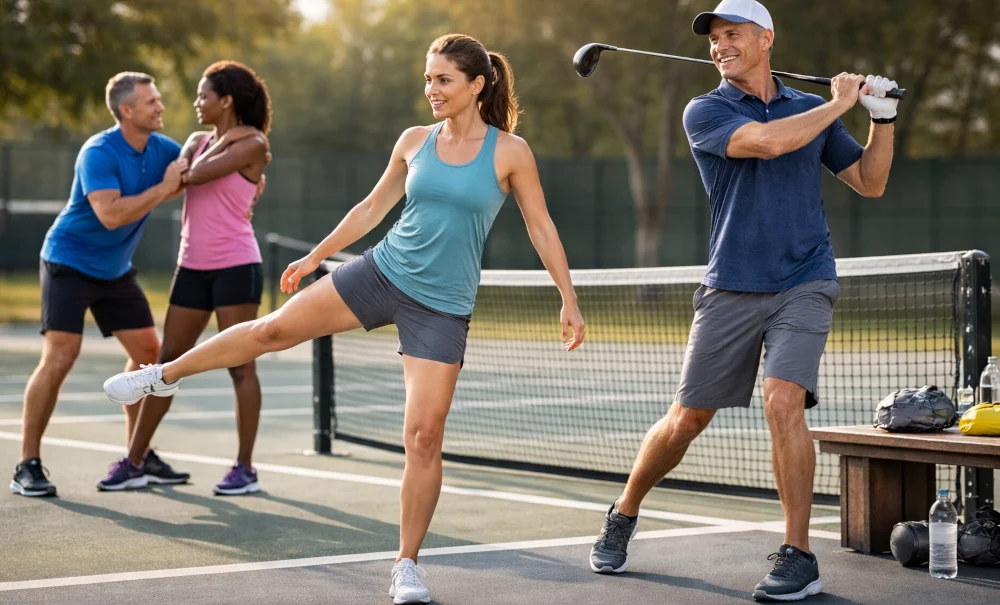
Preventing injury is often easier and far less frustrating than treating it. Most pickleball, golf, and curling injuries do not happen suddenly. They develop over time when the same tissues are stressed repeatedly without enough support or recovery. The good news is that simple, consistent habits can significantly reduce injury risk and help you move more efficiently on and off the court, course, or ice.
For recreational athletes in Oakville and Burlington, injury prevention is not about training like a professional athlete. It is about preparing your body for the demands you place on it and respecting early warning signs.
A proper warm-up prepares your muscles, joints, and nervous system for activity. It increases blood flow, improves coordination, and allows your body to move more freely. Skipping a warm-up is one of the most common contributors to muscle strains and joint irritation.
An effective warm-up should include:
Research shows that structured warm-ups reduce muscle strain and soft tissue injury risk.
Strength acts as protection. Strong muscles absorb load and reduce stress on joints, tendons, and ligaments. Recreational athletes often rely on sport activity alone for fitness, but this rarely provides balanced strength.
Key areas to focus on include:
Strength training two to three times per week can significantly improve resilience and performance without adding excessive fatigue.
Restricted mobility forces the body to compensate. When one joint does not move well, another joint absorbs the stress. Over time, this leads to pain and injury.
Areas that commonly need attention include:
Simple mobility exercises performed consistently can reduce stiffness and improve movement efficiency.
Recovery is part of training, not a sign of weakness. Persistent soreness is your body’s way of signalling that tissues are not keeping up with demand.
Important recovery principles include:
Ignoring soreness often turns minor irritation into a more serious injury that requires longer recovery.
Even small technique errors repeated over time can lead to injury. Physiotherapists are trained to identify inefficient movement patterns that place unnecessary stress on the body.
Professional movement assessment can help:
For recreational athletes in Oakville and Burlington, a short period of guided physiotherapy can prevent months of pain and frustration.
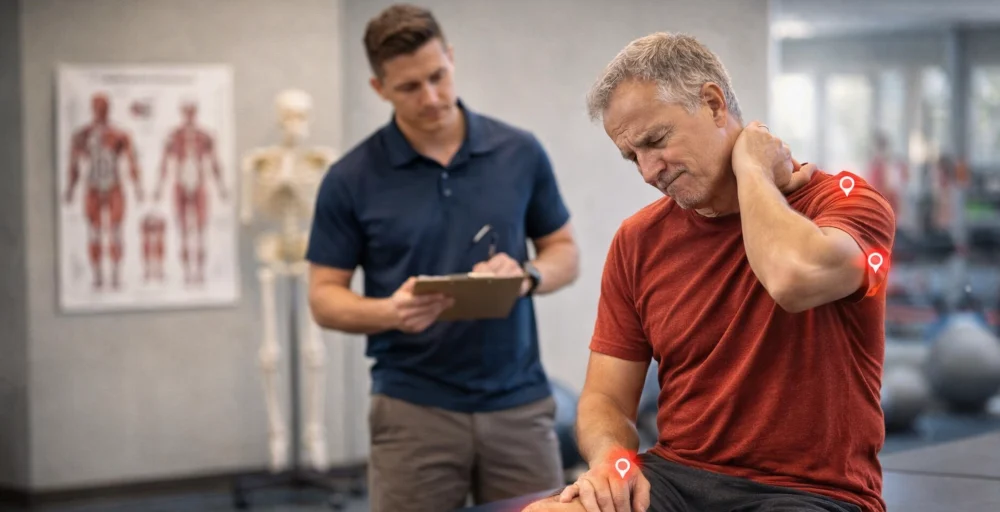
You should seek physiotherapy if
Early intervention improves outcomes according to Physiotherapy Canada.
If you live in Oakville or Burlington, you can Contact us or Book An Appointment to start recovery.
Q1: Are pickleball injuries common in Ontario
Yes. Pickleball injuries in Ontario are increasing due to the rapid growth of the sport.
Q2: Why do golfers develop back pain
Golf injuries in Ontario (and not only) often involve the lower back due to repeated rotational stress.
Q3: How long does curling injury recovery take
Curling injury recovery depends on the severity and consistency of rehab.
Q4: Can physiotherapy prevent future injuries
Yes. Physiotherapy improves strength, mobility, and movement quality.
Q5: Should I stop playing if I have pain
Not always. Modified activity with guided rehab is often better than full rest.