Physiotherapy in Oakville: Your Complete Guide to Recovery and Performance
July 06, 2026


Chronic low back pain is one of the most common and debilitating health issues facing many adults in Oakville, Burlington and Mississauga and across Ontario. For some people, the pain becomes persistent, limiting daily activities and reducing the quality of life. The good news is that a comprehensive physiotherapy‑driven approach focusing on movement, core strength, posture, and individualized rehab plans can significantly reduce pain and restore function.
In this guide, we explain why chronic low back pain is so widespread, what really causes the pain, how movement and core strength help, how physiotherapists design personalized plans, and when it is time to get a professional assessment. If you are looking for a physio clinic for back pain in Oakville, this article will help you understand what a complete physiotherapy approach can do for you.
Chronic low back pain (CLBP) is extremely common in Canada and globally. In Ontario, many adults, especially those in their 30s, 40s and beyond, deal with recurring back pain that doesn’t go away easily. According to research, chronic low back pain develops in about 5 to 10 percent of people who have low back pain.
CLBP is among the leading causes of disability worldwide, affecting people’s ability to work, enjoy life, or even perform everyday tasks.
There are also lifestyle and occupational factors that contribute to chronic back pain in Ontario: many people lead sedentary lives, spend long hours sitting at desks, or lift heavy weights at work. Others may have had a previous injury that never properly healed. Because of the mechanical demands placed on the spine, even small injuries or imbalances can worsen over time.
Furthermore, chronic back pain is not always tied to a specific incident. In many cases, the pain lingers long after an injury or arises gradually. Around 90 percent of low back pain cases are “non-specific,” meaning no clear structural cause can be identified.
For people living in Oakville, Burlington and Mississauga, Ontario, busy work schedules, commuting, family responsibilities and occasional inactivity during colder months can combine to increase the risk of chronic low back pain. That is why having access to a specialized physio clinic for back pain in Oakville is important.

Chronic low back pain rarely has a single cause. Instead, it often results from a combination of factors that affect the spine, muscles, joints and nerves. Here are common contributors:
Many episodes of back pain begin with a simple strain or sprain, lifting something heavy, twisting awkwardly, or bending the wrong way. Even a small soft-tissue injury can lead to long-term pain if not addressed properly.
Problems like disc herniation, bulging discs, degenerative disc disease, spinal stenosis (narrowing of the spinal canal), arthritis in the spine, or even vertebral fractures can cause chronic pain.
Poor posture, weak core muscles, tight or inactive muscles (like hips, glutes, hamstrings) can lead to improper movement patterns. Over time, these imbalances place extra pressure on the lumbar spine, resulting in irritation, inflammation, or degeneration.
If discs or joints press on nerves (for example, causing sciatica), the result can be radiating pain, tingling or numbness, even weakness.
Lack of movement weakens supportive muscles and reduces circulation. Poor posture and prolonged sitting further contribute to muscle stiffness and reduced spine resilience.
Sometimes there is no single identifiable cause. These cases are termed “non-specific chronic low back pain,” where pain persists despite the absence of clear structural abnormalities.
Because chronic low back pain often has multiple contributing factors, it requires a comprehensive, individualized approach, not just simple rest or painkillers.
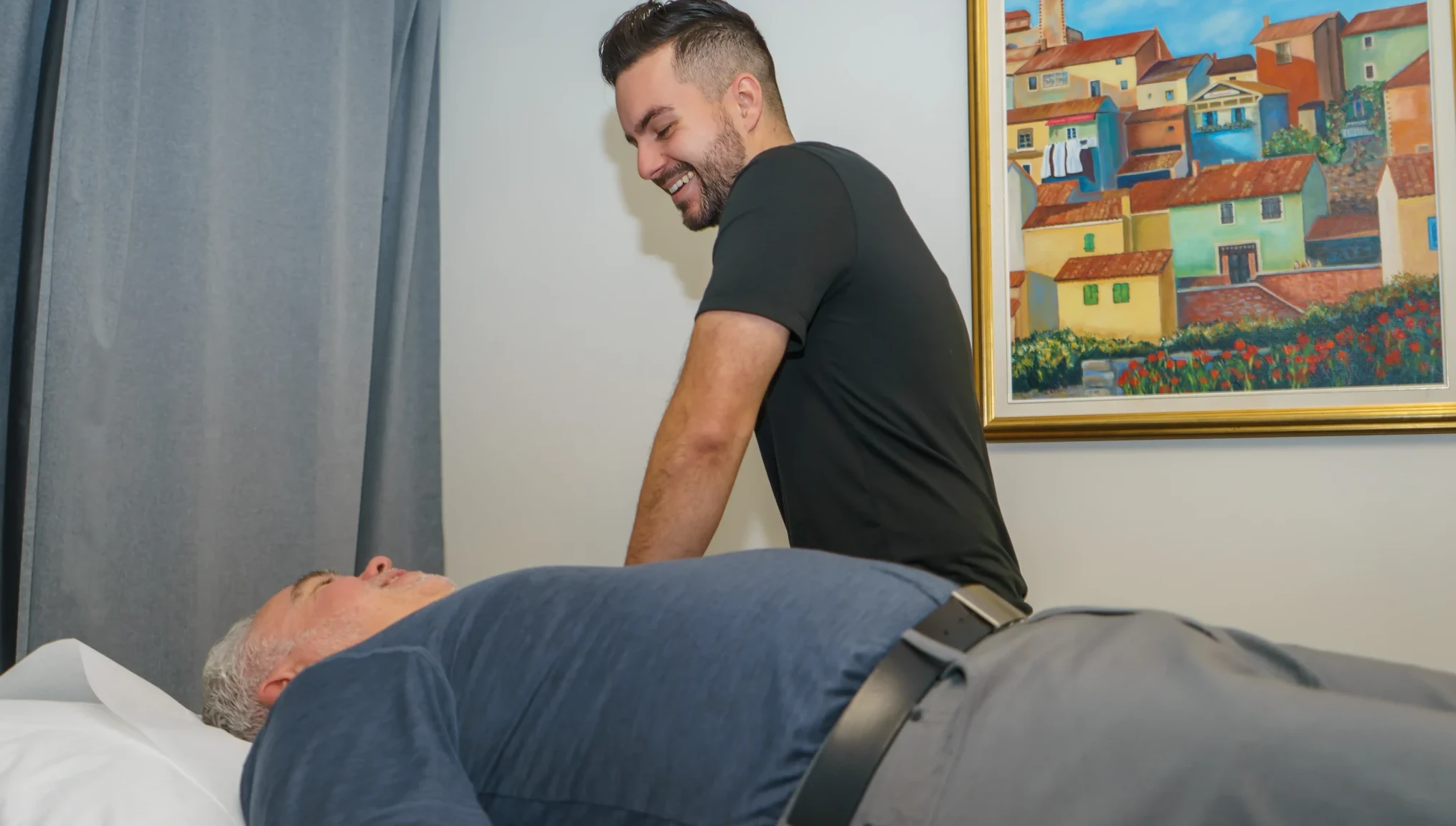
One of the most effective non-surgical treatments for chronic low back pain is movement and exercise. Evidence shows physiotherapy-based exercise programs significantly reduce pain and improve function.
A 2021 review found that exercise therapy for chronic low back pain reduced pain and improved function compared to no treatment or passive care.
Specific core strengthening and trunk-muscle training programs have been shown to improve deep trunk muscle strength, which translates into better spine stability.
Movement-based therapy is often more effective than passive treatments alone, such as rest or passive modalities.
At our Oakville physiotherapy clinic for back pain, a typical program might include:
This approach helps rebuild resilience so daily tasks (lifting, sitting, bending) do not trigger pain or re-injury.
No two patients are the same. A well-designed physiotherapy plan for chronic low back pain considers your history, lifestyle, physical condition, and recovery goals.
Physiotherapy is not just “do this exercise once.” It is a structured, evolving plan that adapts as your body improves. That’s why finding the right physio clinic for back pain in Oakville, Burlington and Mississauga can make a big difference.
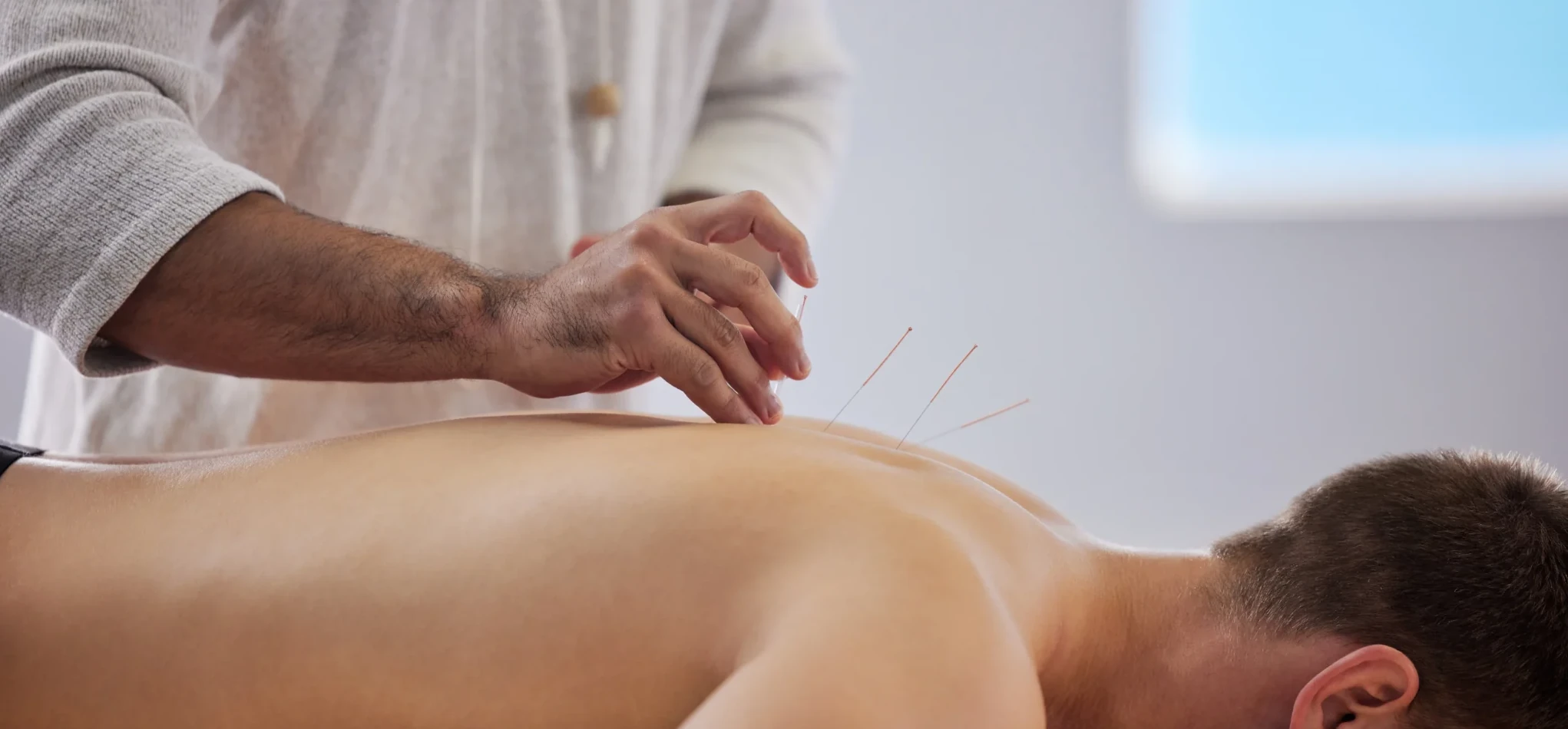
While some cases of low back pain improve with self-care and exercise, there are situations where you should seek professional physiotherapy assessment.
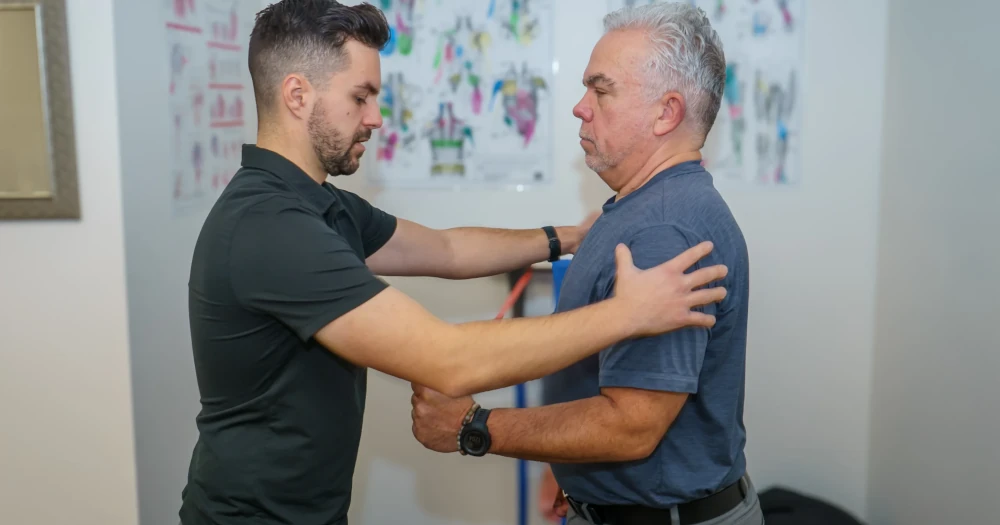
A physiotherapist can perform a thorough evaluation to identify underlying causes, whether muscular imbalance, poor movement mechanics, weak core, joint stiffness, or nerve involvement.
They can develop a tailored rehabilitation plan rather than a generic exercise program, increasing the chances of success.
They can also provide manual therapy, hands-on treatment, and education on safe movement, posture, ergonomics, and injury prevention.
A physiotherapy-led approach is cost-effective, non-invasive, and often more beneficial than passive treatments alone. Studies show physiotherapy and exercise interventions can improve quality of life and reduce the long-term burden of chronic pain.
If you are suffering from persistent low back pain in Oakville or the surrounding areas, a professional physiotherapy assessment could be the first step toward recovery.
Chronic low back pain generally refers to pain in the lower back that lasts for more than 12 weeks (3 months), even after an initial injury or acute pain episode has healed. It may persist after injuries or develop gradually.
Yes. Research shows that tailored exercise therapy, core strengthening and movement-based physiotherapy reduce pain and improve function compared with no treatment or passive care for people with chronic low back pain.
Exercises that strengthen deep trunk and core muscles (such as planks, bridges, stability work), improve flexibility (hips, hamstrings, lower back), and correct movement mechanics appear most effective.
Gentle aerobic activity and posture training also help support recovery.
If your low back pain persists for more than 12 weeks, limits daily activity or sleep, comes with radiating symptoms to the legs, or returns repeatedly despite self-care, it is time to seek professional assessment. A physiotherapist can help diagnose, treat and guide you toward lasting improvement.
Yes. Physiotherapy is often one of the first recommended treatments for chronic low back pain because it is non-invasive, addresses root causes, and reduces the need for costly and risky interventions. It also improves long-term outcomes and quality of life for many patients.
If you live in Oakville, Burlington and Mississauga, Ontario and are seeking relief from chronic low back pain, a tailored physiotherapy plan may change your life.
We invite you to Book an Appointment or Contact us if you’d like personalized guidance for low back pain recovery.