
Article Summary
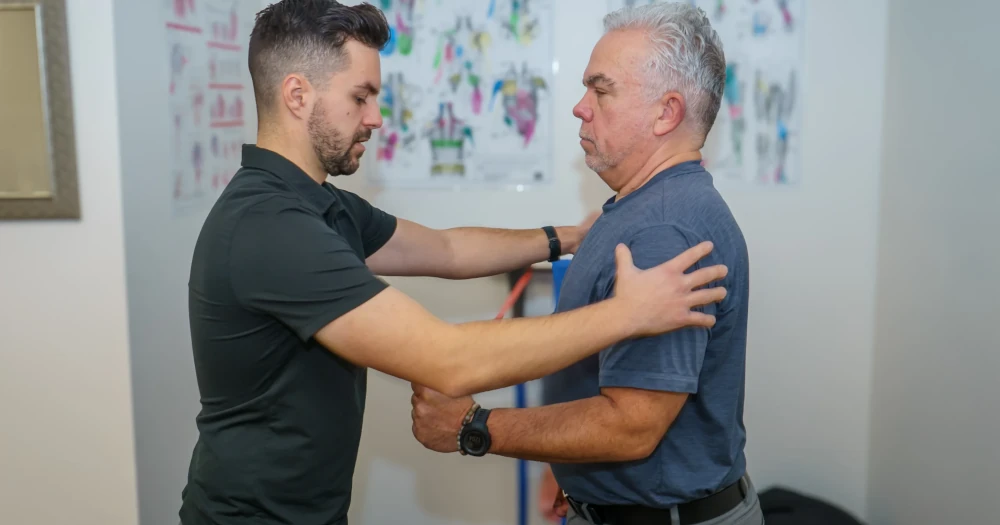
As the seasons change in Ontario, many people in Oakville, Burlington and Mississauga experience flare-ups of back pain. Whether you’re raking leaves in the autumn or shovelling snow in the winter, these common outdoor chores place extra strain on your spine and supporting muscles. Cold weather and changing conditions can tighten muscles, reduce flexibility, and raise injury risk. This pillar page explores why back pain gets worse with seasonal change, how chores like raking leaves and shovelling snow contribute to back pain, and offers simple tips to protect your back while staying active outdoors. If you have recurring or severe back pain, we also explain when it’s time to contact a physiotherapist for help.
Index
- Why does back pain get worse when the seasons change in Ontario
- Common chores like shovelling and raking that strain your back
- How cold weather tightens muscles and limits flexibility
- Simple tips to protect your back while staying active outdoors
- When it’s time to see a physiotherapist for recurring back pain
- FAQs
1. Why does back pain get worse when the seasons change in Ontario
If you live around Oakville, Burlington and Mississauga Ontario, you’ll notice how the weather shifts through the year, with cooler falls, cold winters, thawing springs, and for many people that means a rise in back-ache episodes. The term “seasonal back pain Ontario” describes exactly this trend: an uptick in back pain related to seasonal shifts and outdoor physical tasks.
What happens during a seasonal change
- In autumn and winter, we tend to spend more time outdoors doing strenuous tasks such as raking leaves or shovelling snow. These tasks place an extra load on the spine.
- Cold or damp weather can alter body mechanics and muscle behaviour, making the supporting muscles of the back more vulnerable. Research shows that ambient cold exposure is associated with increased risk of low back pain.
- A number of people also alter their exercise or activity routines when the weather changes (for example: less walking, more sitting inside), which can lead to stiffness and weakness in spinal muscles.
- Anecdotally, many report more back pain on cold, damp or windy days. However, it is worth noting that some research (for example, from the The George Institute for Global Health) finds that weather change itself may not directly trigger back pain episodes but that behaviour changes might.
Why for “seasonal back pain Ontario” this is important
- In Oakville, Burlington and Mississauga and throughout southern Ontario, leaves fall and accumulate in the autumn and snow comes in winter. These seasonal chores present load and movement challenges to your spine.
- The change in daylight, temperature, and your routine may all contribute to reduced warm-up, slower reaction times, muscle stiffness and increased injury risk.
- If you already have a history of back pain, disc issues, arthritis, or poor posture, the seasonal shift can act like a “trigger” for flare-ups.
Quick insight
If you find that you are more sore or stiff in your lower back during November and December in Oakville, Burlington and Mississauga you’re not alone, and there are tangible reasons why this happens even though “weather” isn’t the full explanation.
2. Common chores like shoveling and raking that strain your back
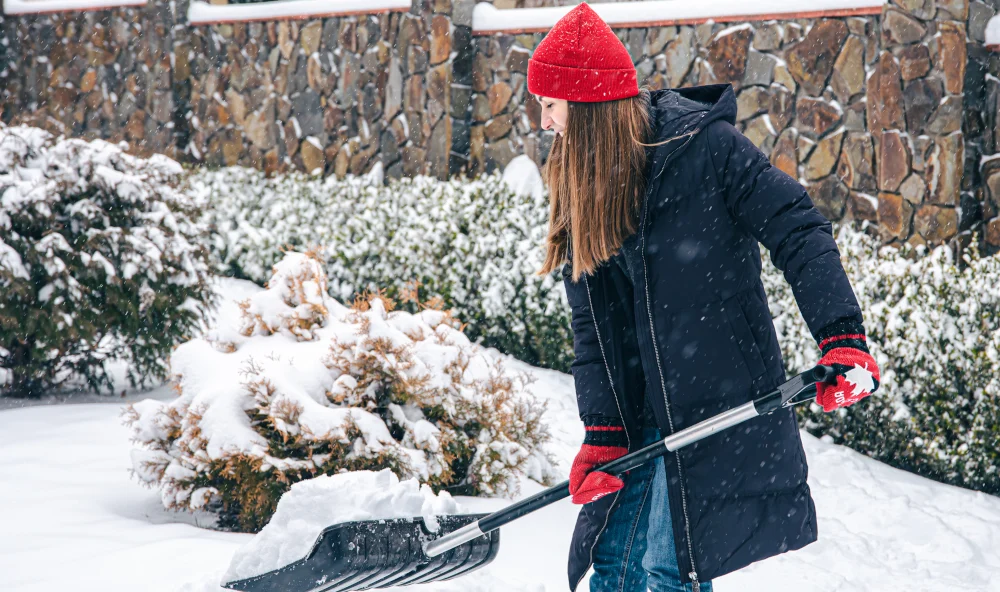
For many homeowners in Oakville, Burlington and Mississauga and across Ontario, doing yard work in the fall and winter is unavoidable. Two of the most common culprits behind back pain are raking leaves and shovelling snow. These are moments when seasonal back pain and specifically ‘raking leaves in Oakville’ back pain or “shovelling snow back pain” become real.
Raking leaves
Raking may seem innocuous but it involves:
- Bending at the waist repeatedly,
- Twisting the torso while moving leaves,
- Holding the rake with extended arms (lever effect),
- Potentially lifting heavy piles of leaves or twisting to toss them away.
Over time, these repetitive bending and twisting movements stress the lumbar spine (lower back) and supporting muscles. Poor technique, infrequent breaks, and weak core/back muscles make the risk higher.
Shoveling snow
Snow often means deeper bending, heavier loads and awkward postures. Specific risks:
- Wet or icy snow is heavier and requires greater effort. Research shows shovelling snow is strongly associated with lower back injuries.
- The position while shovelling (forward bend, long lever arm of shovel handle, lifting and tossing snow) creates high mechanical load on the spine.
- Time pressure: Many people feel they must finish quickly before the snow piles up; this can lead to fatigue and breakdown in technique.
- Cold conditions add further strain as the muscles and tissues may already be less flexible.
Location specific note: Oakville, Burlington and Mississauga, Ontario
In Oakville, Burlington and Mississauga it is common to have several snowfall events through winter, and many homes have driveways, walkways and roofs that demand clearing. It is also a region where leaves accumulate in autumn due to deciduous trees. So these tasks are part of the seasonal routine for many local residents of all ages—meaning many face an elevated risk of back pain tied to these chores.

How these chores contribute to back pain
- Repeated bending and twisting strain the lumbar muscles and intervertebral discs.
- Lifting heavy loads increases compression and shear forces on the spine.
- In cold weather, the ability of muscles, ligaments and tendons to stretch and absorb load is reduced (we’ll explore this more in the next section).
- Muscle fatigue lowers the protection of the spine, increasing the risk of micro-injury and pain.
- After the event, inadequate recovery (stretching, warm-down) can lead to persistent soreness or a flare-up.
Practical signs you might be overdoing it
- You feel stiffness or soreness in your lower back the next morning after raking or shovelling.
- You notice that you’re using mainly your lower back instead of bending your knees to lift or push.
- You hear/feel a “pop” or sudden strain during snow clearing or leaf removal.
- You avoid or reduce activities because of back-pain fear following these chores.
3. How cold weather tightens muscles and limits flexibility
The seasonal transition in Ontario means colder temperatures, more wind chill, earlier dusk—and all these factors influence the body’s behaviour. When muscles, ligaments and tendons contract, respond less fluidly, and circulation is restricted, the spine becomes less resilient. This contributes to seasonal back pain.
Physiological effects of cold on the body
- Cold exposure triggers vasoconstriction (narrowing of blood vessels) to conserve heat; less blood flow means muscles, tendons and ligaments receive fewer nutrients and oxygen.
- Muscles and connective tissues contract and stiffen in cold environments; one article states: “When you move your body in cold temperatures, your muscles might tighten and become rigid.”
- Tendon and ligament elasticity can be reduced in cooler temperatures, making them more vulnerable to strain.
- Cold can also heighten perception of pain: the nerves become more sensitive, and less flexible tissues are more easily irritated.
- Some research finds associations between ambient cold exposure and low back pain. For example, workers exposed to cold had higher odds of low back pain.
What this means for back mechanics
- When muscles supporting the spine are stiff, they cannot absorb movement or shock as well—they become prone to micro-tears or overload.
- Reduced flexibility in hips, hamstrings or lumbar spine means that tasks like bending or twisting place greater load on the lower back.
- Cold outdoor temperatures reduce the warm-up value of movement: you may move into tasks without your muscles fully “online,” because you feel fewer early warning signals or are focused on the job.
- In Oakville, Burlington and Mississauga’s cooler autumn afternoons or winter mornings, you might begin raking or shovelling before your body is fully warmed up. That increases risk.
The myth vs the evidence
While many believe that simply cold weather causes back pain, the research is mixed. Some studies found no direct link between weather changes and back pain flare-ups. However, even if the weather itself isn’t the sole cause, the indirect effects—muscle stiffness, reduced activity, colder tissues—are clearly contributors to increased risk of back pain. From a practical physiotherapy point of view, treating the modifiable factors (warm-up, technique, strength) is what matters most.
Why “cold weather tightens muscles” matters for Oakville, Burlington and Mississauga
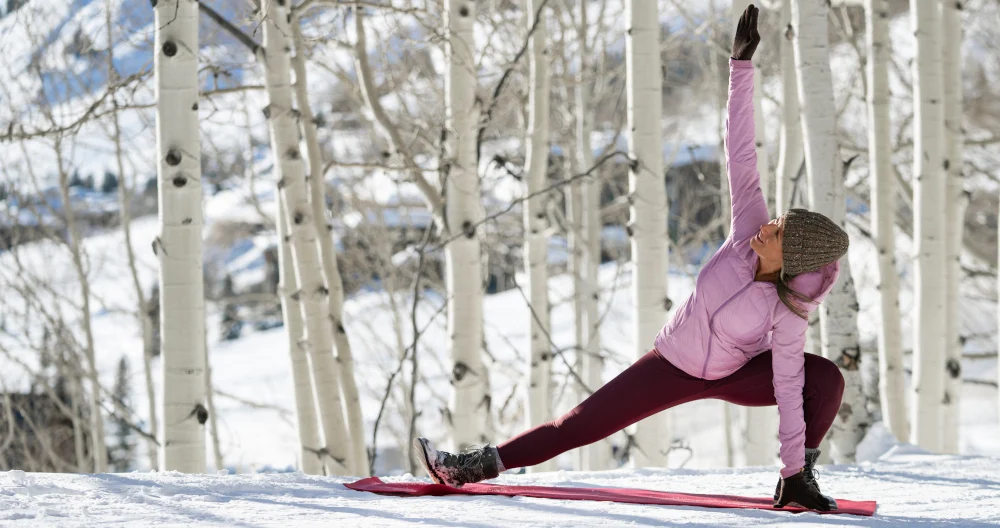
- In Oakville, Burlington and Mississauga autumn can bring cool, damp days, and winter brings freezing temperatures.
- If you spend time outdoors doing lawn or snow chores in those conditions without adequate warm-up and clothing, your muscles are starting from a disadvantaged state.
- If you’re living a more sedentary lifestyle (for example, you sit for most of your day, as many in the 30-65 age group do), then the jump into outdoor work without building in warm-up or preparation raises chances of back pain.
- For those with existing back issues (degenerative discs, previous strains, arthritic changes) the cold adds yet another layer of risk.
4. Simple tips to protect your back while staying active outdoors
At Accelerate Physio in Oakville we see many clients whose back pain spikes after seasonal chores. The good news is you can reduce your risk significantly by adopting smart habits. The following are practical, actionable tips to help you maintain outdoor activity without inviting back pain.
General preparation
- Warm up before the task: Spend 5–10 minutes walking around, doing gentle lunges or leg swings to increase circulation in the hips and legs before you rake or shovel.
- Dress appropriately: In autumn or winter in Ontario wear layers, ensure your torso is warm (which helps the core muscles) and your footwear is stable to avoid slips.
- Check your schedule: If you’re going to rake or shovel, try to break the work into smaller chunks rather than one long session. Fatigue builds up and form degrades when tired.
- Hydration and nutrition: Even in cool weather your muscles benefit from hydration. Dehydration can reduce flexibility and increase muscle fatigue.
Proper technique for raking leaves
- Use a rake that is the correct length for your height (so you’re not hunching over).
- Stand upright as much as possible, bending at the knees rather than the waist when transferring leaves or moving piles.
- Avoid twisting your torso while raking or carrying leaves. Instead, pivot with your feet.
- Keep the load light: do frequent shorter sessions rather than trying to clear everything in one go.
- At the end of work, gently stretch the lower back, hips and hamstrings to ease stiffness.
Proper technique for shovelling snow
- Choose a shovel with a handle length suited for your height; one that forces you to bend too much increases spinal load.
- When shovelling, push snow when possible rather than lifting it high. Walk snow to the disposal area rather than throwing it high or over your shoulder.
- When you must lift, bend your knees and keep your back straight, lift with your legs, not just your back. Don’t twist while lifting.
- If the snow is heavy or wet, do smaller loads and take frequent breaks. Fatigue is a major contributor to injury risk.
- Clear the snow early and often rather than waiting until it’s heavy and packed down. This reduces load per lift and opportunity for improper form.
- Stretch after you finish.
Strength and flexibility measures
- Incorporate core strengthening exercises (planks, bird-dogs, bridges) during the year so that when seasonal tasks arrive, your spine is better supported.
- Maintain hip and hamstring flexibility: tight hips transmit extra load to the lower back.
- Keep your cardiovascular fitness sufficient (walking, light jogging, cycling) so your body can handle bursts of physical activity such as yard work or shovelling.
- Post-season recovery: After heavy yard or snow work, give your body days to recover and avoid heavy tasks the next day if you’re sore.
Smart habits during the season
- Monitor how you feel: if you start feeling a pulling or stiffness in your lower back, stop and rest or stretch rather than push on.
- Use good footwear: especially in winter, icy or uneven surfaces increase risk of slips which can result in back injuries.
- Consider professional help: If you have known back issues, consult with a physiotherapist before the season starts and get a tailored readiness plan.
- Equip your tasks: For example, consider a lightweight shovel, ergonomic rake, or maybe hire help if you have a large area or significant snow events.
Why these tips matter for Oakville, Burlington and Mississauga homeowners
In Oakville, Burlington and Mississauga the landscape means many driveways and sidewalks, many homes with trees dropping leaves, and winters with frequent accumulations of snow. By adopting these protective behaviours early and consistently, residents can reduce their risk of “raking leaves back pain” and “shovelling snow back pain” significantly.

5. When it’s time to see a physiotherapist for recurring back pain
While many back pain flare-ups tied to seasonal chores and cold weather will settle with proper self-care, there are times when you should seek professional help. At Accelerate Physio in Oakville, we encourage you to book an appointment if you notice any of the following.
Signs you should see a physiotherapist
- Back pain that persists for more than two weeks with no improvement despite stretching, rest and good technique.
- Recurrent flare-ups: If every autumn or winter you find yourself dealing with “seasonal back pain Ontario” and it’s limiting your activity, it’s worth early review and prevention planning.
- Pain that radiates down your leg, numbness, tingling, or weakness: These may indicate nerve involvement (sciatica) or disc issues.
- You have restricted movement: If bending down, turning, or walking is limited due to back pain, your function is affected.
- You are unable to perform your regular chores (raking leaves, shovelling snow) without needing frequent rests or changing tasks.
- You have a history of spine surgery, arthritis, osteoporosis or other medical condition which increases back-pain risk.
- You feel that you may be compensating (using other parts of your body) and this may lead to secondary pain elsewhere (hips, knees, shoulders).
What a physiotherapist can do for you
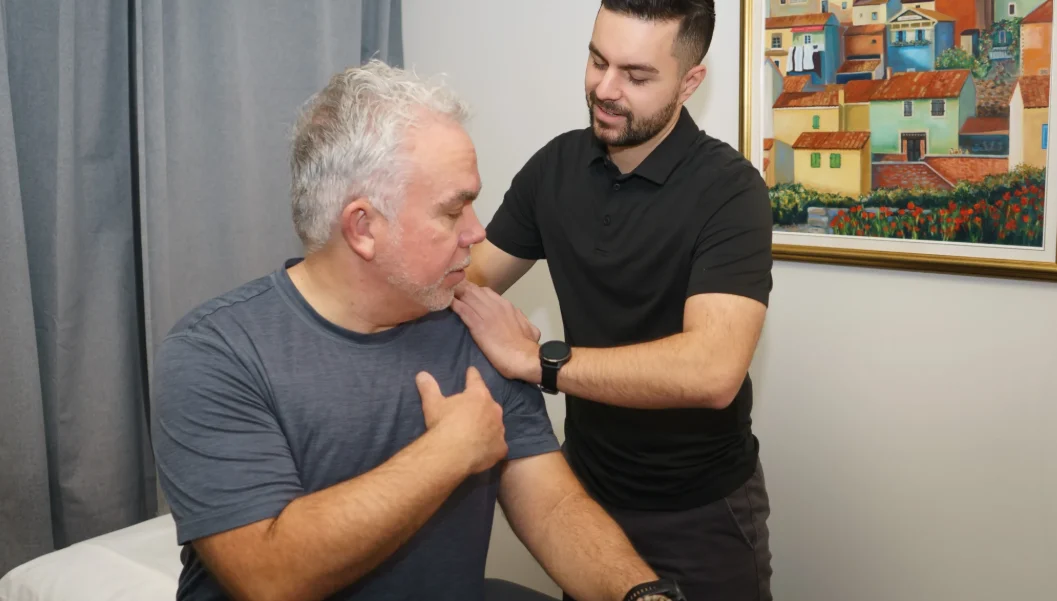
- Assess your movement, posture, muscle strength, flexibility and gait to identify contributing factors to your back pain.
- Develop an exercise program tailored to your needs to build core and back strength, hip mobility and general resilience.
- Provide manual therapy, education and self-management strategies to reduce pain and prevent recurrence.
- Teach you safe techniques for outdoor chores such as raking and shovelling, aligned with tasks common to Oakville homeowners.
- Help you plan a seasonal readiness program: For example, a fall “yard-work readiness check” and a winter “snow-shovelling readiness” to prevent the dreaded seasonal back pain.
- Monitor your progress, adjust the plan, and advise when further imaging or medical review is needed (if nerve involvement or structural issues are suspected).
How to book with Accelerate Physio
If you’re in Oakville, Burlington and Mississauga (or nearby in the Halton region) and dealing with recurring back pain, especially tied to raking leaves or shovelling snow, we invite you to Contact us for a brief chat. To schedule directly, you can Book An Appointment and take one step toward a back-pain-free season.
Bottom line
Seasonal demands and weather changes create risk for back pain, but you don’t have to accept that as your normal. With proactive care, technique adjustments, and professional support when needed, you can stay active outdoors in Oakville, Burlington and Mississauga without being sidelined by back pain.
FAQs
Q1: Does cold weather actually cause back pain?
While many people report increased back pain during cold or changing weather, research shows mixed evidence. Some studies find that cold exposure is associated with low back pain. Other studies suggest weather changes alone do not directly trigger pain episodes. The key takeaway: colder muscles, less activity, and more strenuous tasks combine to raise risk rather than simple temperature.
Q2: Why does raking leaves cause back pain in Oakville?
Raking involves repetitive bending, twisting, and sometimes lifting. In Oakville, Burlington and Mississauga you may have longer sessions due to lots of leaves from trees. If your back muscles and core are weak, or you skip warm-up, you are more likely to trigger a flare.
Q3: Can shovelling snow really cause lower back injuries?
Yes. Studies show that snow shovelling is linked to soft tissue injury and lower back issues. Poor posture, heavy snow loads and cold muscles make this one of the higher-risk seasonal chores for back strain in Ontario.
Q4: What immediate action should I take if I feel my back begin to hurt after yard work or snow clearing?
- Stop the task, rest and move gently.
- Apply heat (to warm muscles) or ice (if there is acute inflammation) as advised by your healthcare provider.
- Do gentle stretches for lower back, hips and hamstrings.
- Avoid further heavy lifting or bending until you feel more comfortable.
- If pain worsens, radiates to the legs, or persists for more than a few days, book a physiotherapy assessment.
Q5: How can I prevent seasonal back pain in future when raking or shovelling?

- Build core and back strength year-round.
- Warm-up before outdoor chores.
- Use proper posture: bend knees, keep back straight, avoid twisting.
- Do smaller sessions rather than long one-offs.
- Stay warm, wear appropriate footwear and dress in layers.
- Consider consulting a physiotherapist for a tailored readiness plan, especially if you have prior back issues.